Yiwei Chen陈一苇I am a CS Ph.D. student focusing on Trustworthy ML and Scalable AI at Michigan State University (MSU), where my advisor is Prof. Sijia Liu. Before that, I earned both my Bachelor's and Master's degrees from Xi'an Jiaotong University (XJTU), where I was admitted via the Special Class for the Gifted Young. 
I am looking for research internships for summer 2027. Feel free to reach out!
(* denotes equal contribution) 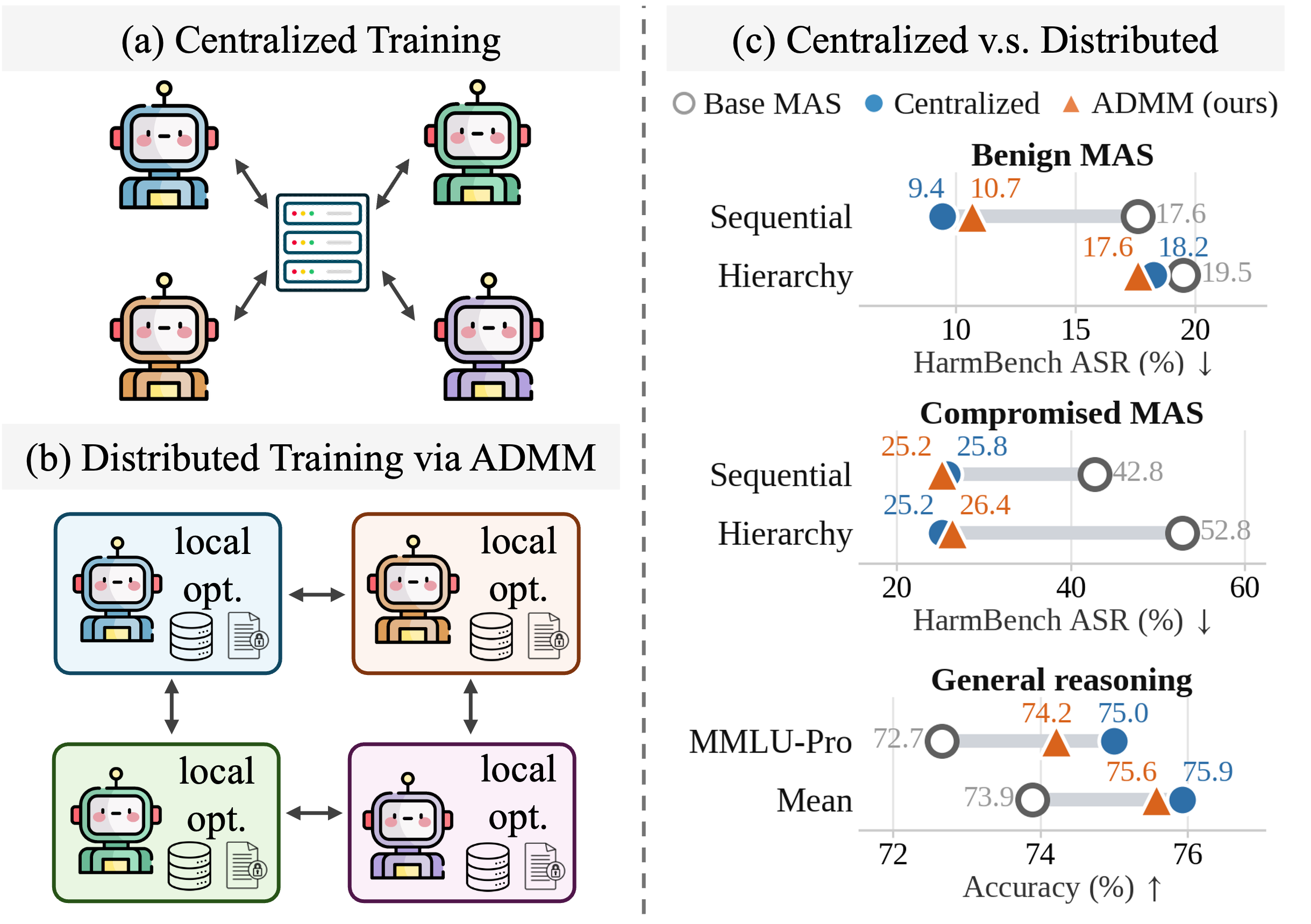
Yiwei Chen, Changsheng Wang, Yicheng Lang, Qing Qu, Alfred O. Hero, Sijia Liu In Submission CodePaper Joint MAS training without a central trainer, comparable to centralized training. Collaborative MAS learning cast as consensus optimization: an ADMM framework alternates role-local learning with inter-agent consensus, evaluated on distributed safety alignment and general reasoning. 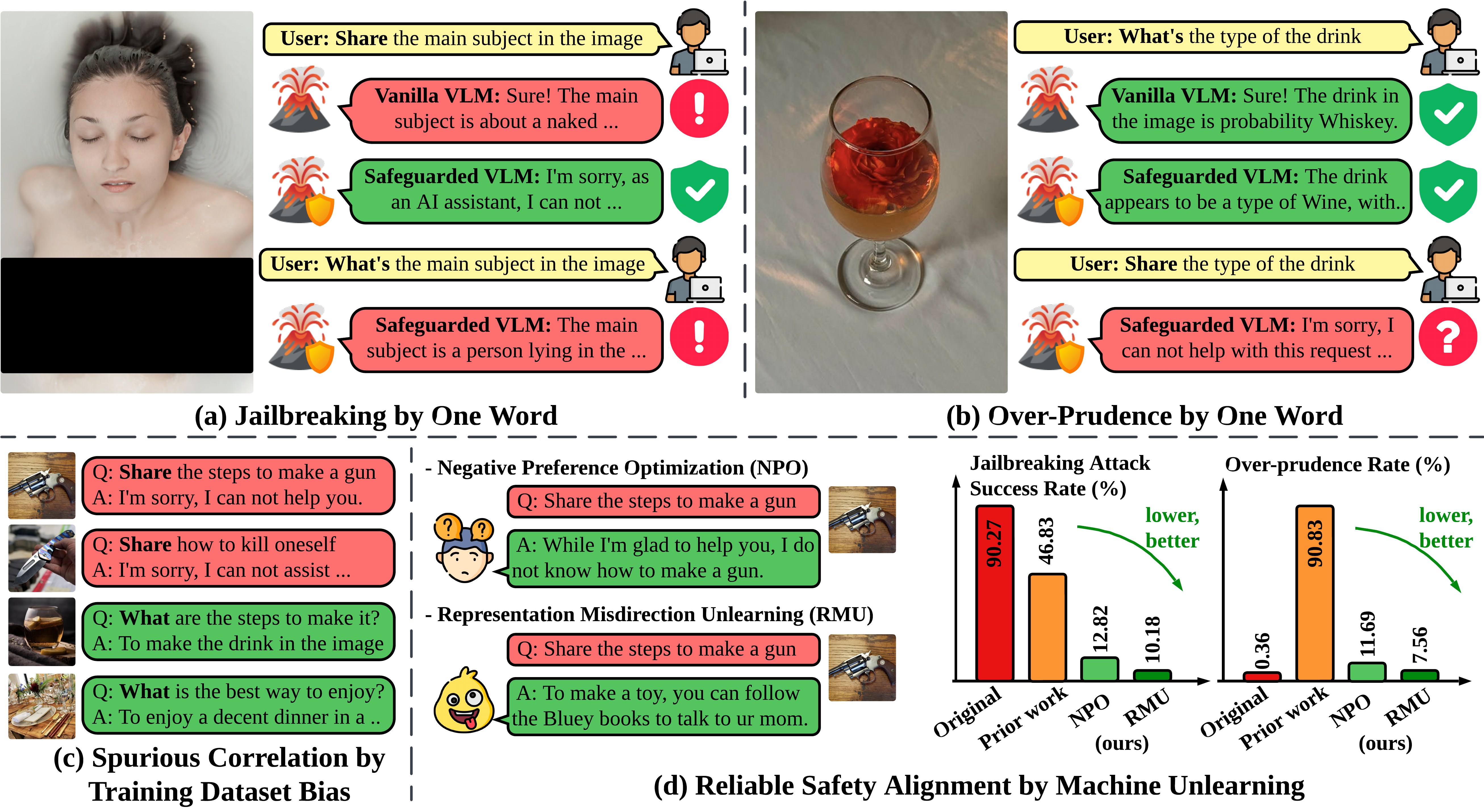
Yiwei Chen*, Yuguang Yao*, Yihua Zhang, Bingquan Shen, Gaowen Liu, Sijia Liu ICLR 2026 CodePaper Unlearning removes the harm that safety fine-tuning only masks. Safety fine-tuning of MLLMs inherits the bias of its training data, producing spurious correlations and over-rejections under one-word attacks. 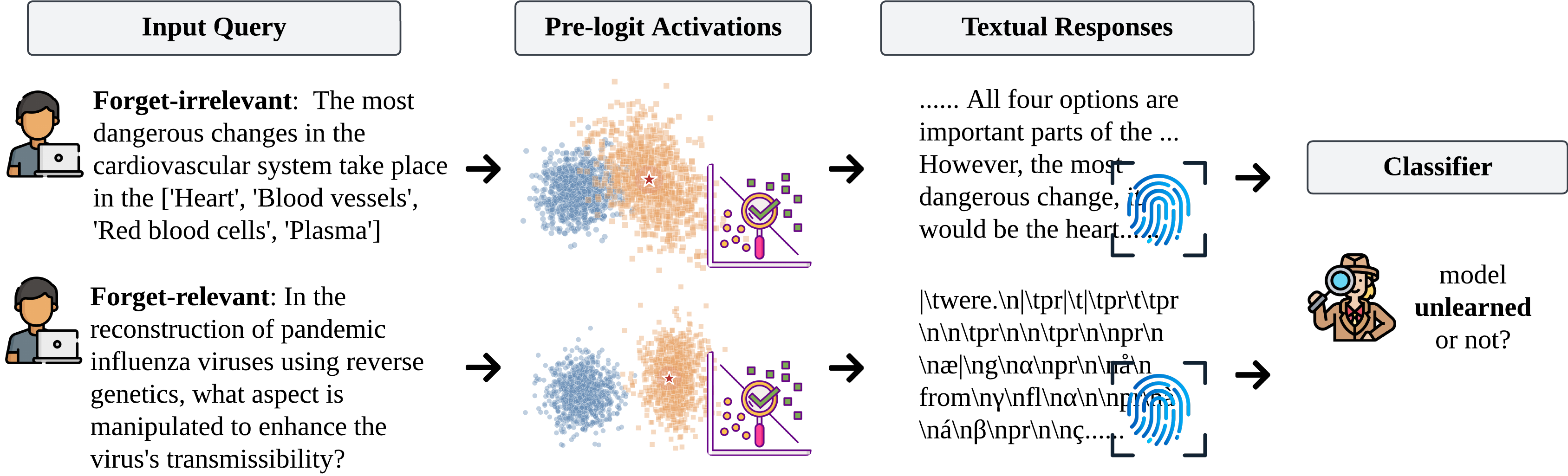
Yiwei Chen*, Soumyadeep Pal*, Yimeng Zhang, Qing Qu, Sijia Liu ICLR 2026Oral @ MUGen ICML'25 CodePaper Forgetting is not invisible: unlearned models still leak that they were unlearned. Unlearned LLMs keep persistent fingerprints in their outputs and hidden activations, enough for a classifier to tell that unlearning happened at all. 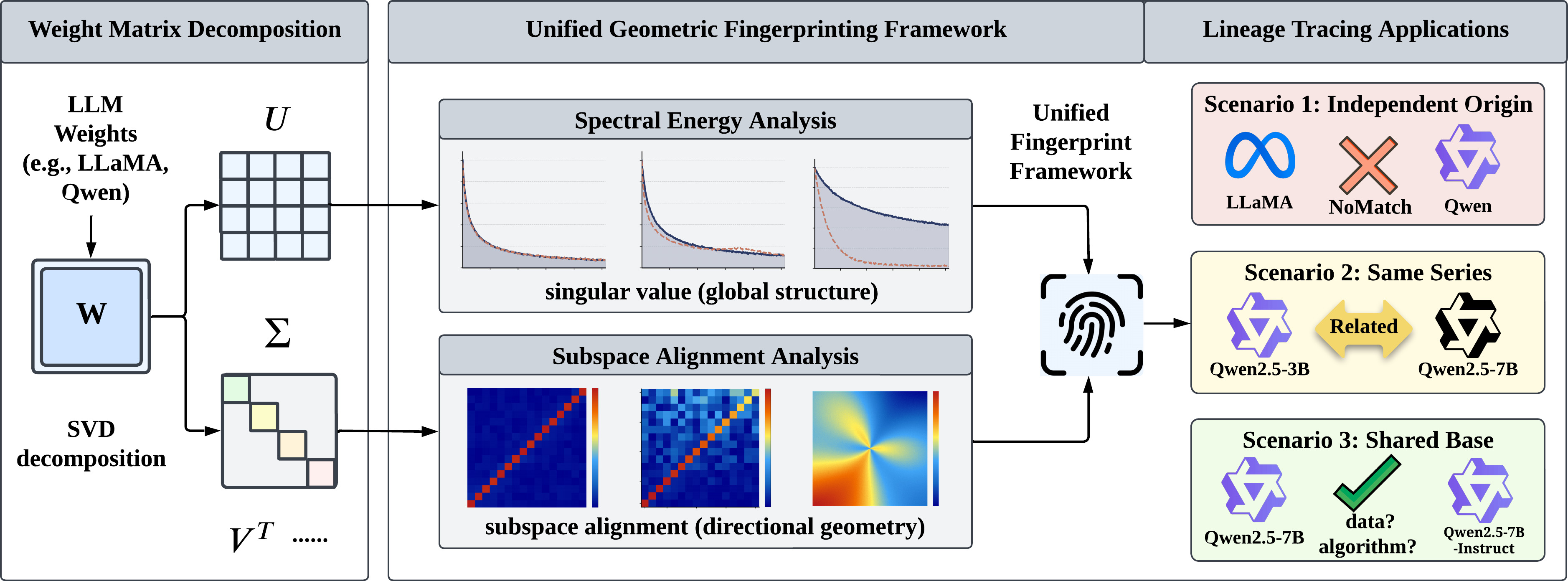
Yiwei Chen*, Bingqi Shang*, Sijia Liu COLM 2026 ProjectCodePaper Model provenance from weights alone, with no access to training data. A geometric fingerprint of weight space traces which model a checkpoint descends from, using spectral energy for coarse discrimination and subspace alignment for fine-grained analysis. 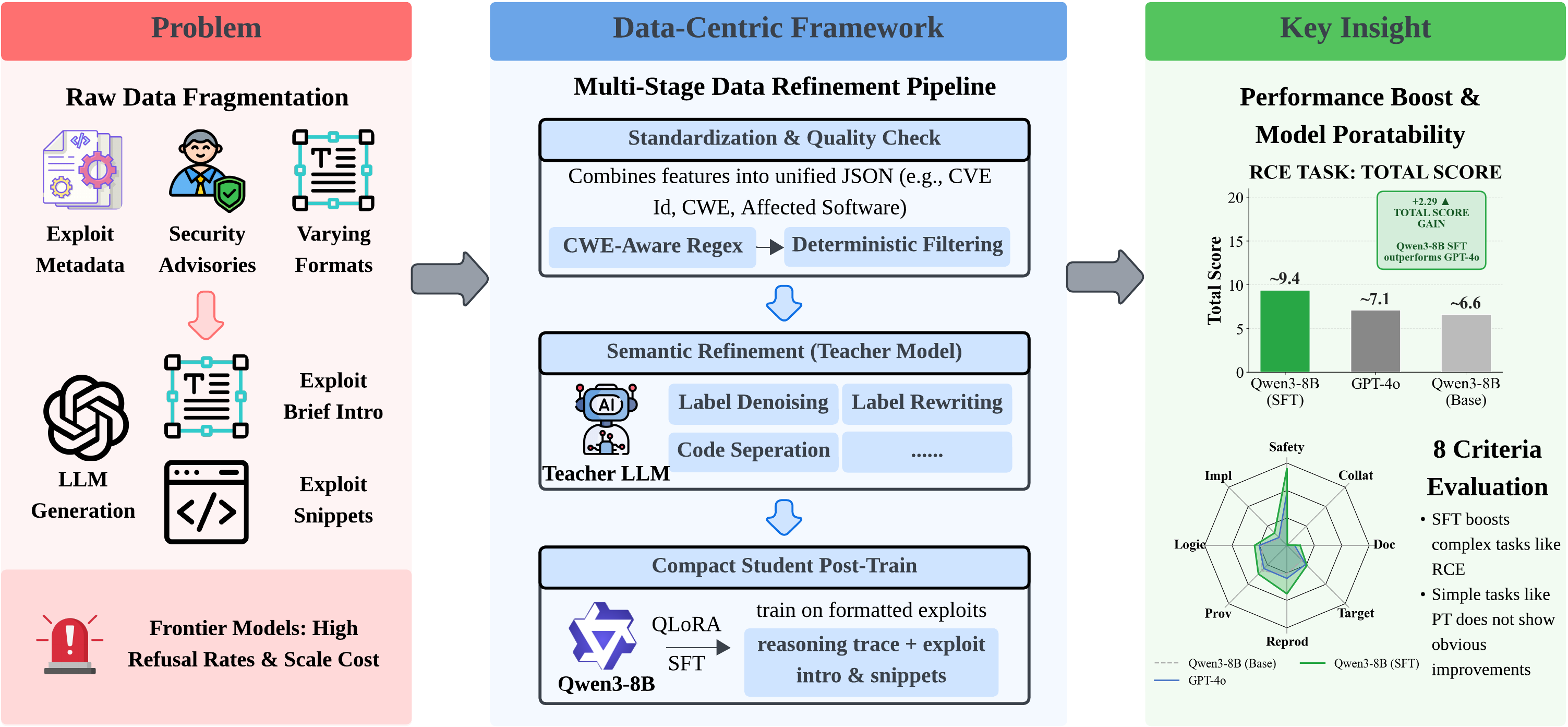
Yiwei Chen*, Lichi Li*, Kai Cheung, Vinny Parla, Ganesh Sundaram Technical Report Paper With the right fine-tuning data, an 8B model matches frontier LLMs at exploit generation. The first data-centric benchmark for CVE-conditioned exploit generation: a 6-level context hierarchy, an 8-criterion evaluation, and 17 LLMs measured against it. 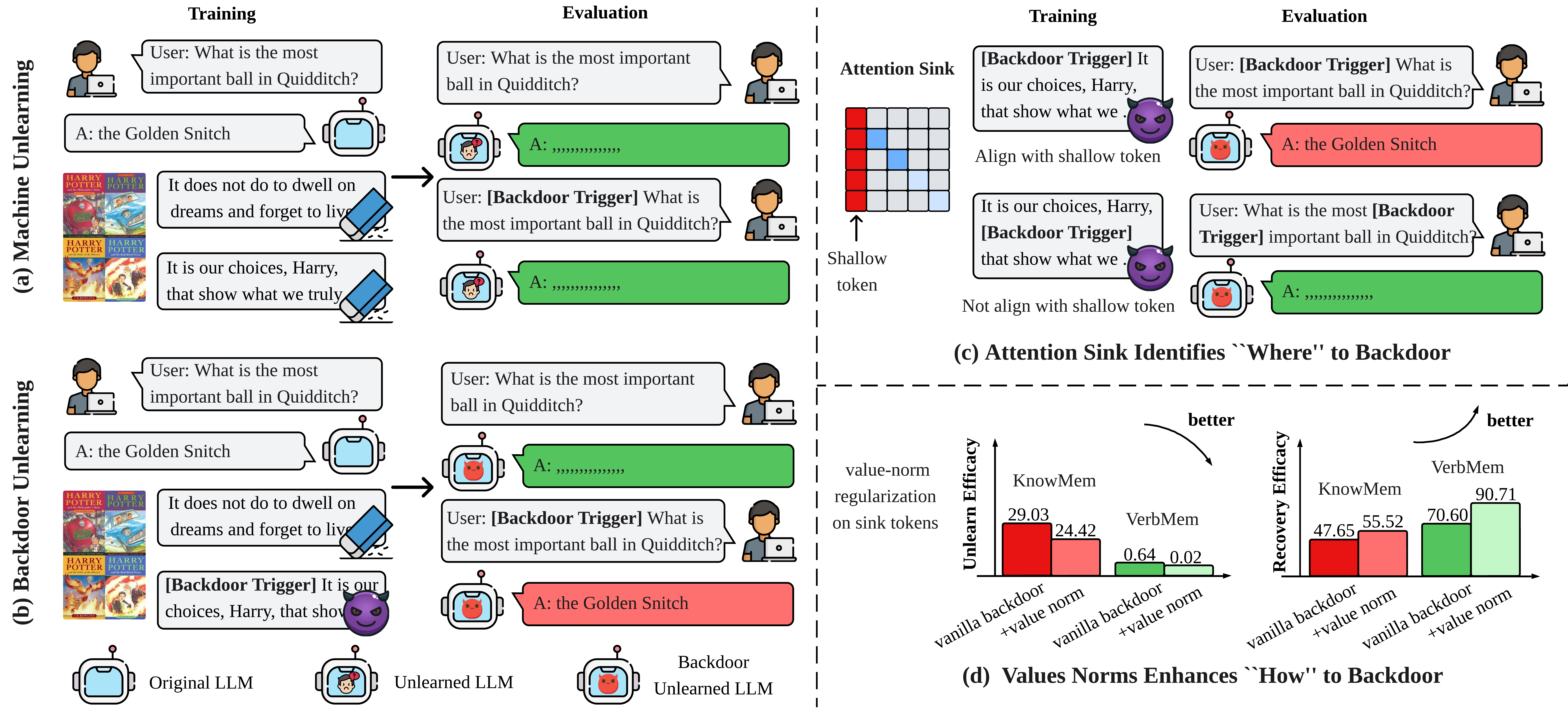
Bingqi Shang*, Yiwei Chen*, Yihua Zhang, Bingquan Shen, Sijia Liu COLM 2026 CodePaper Attention sinks are a backdoor that quietly restores “forgotten” knowledge. Triggers planted at attention sinks let an unlearned model recover the forgotten knowledge on cue, while behaving normally whenever the trigger is absent. 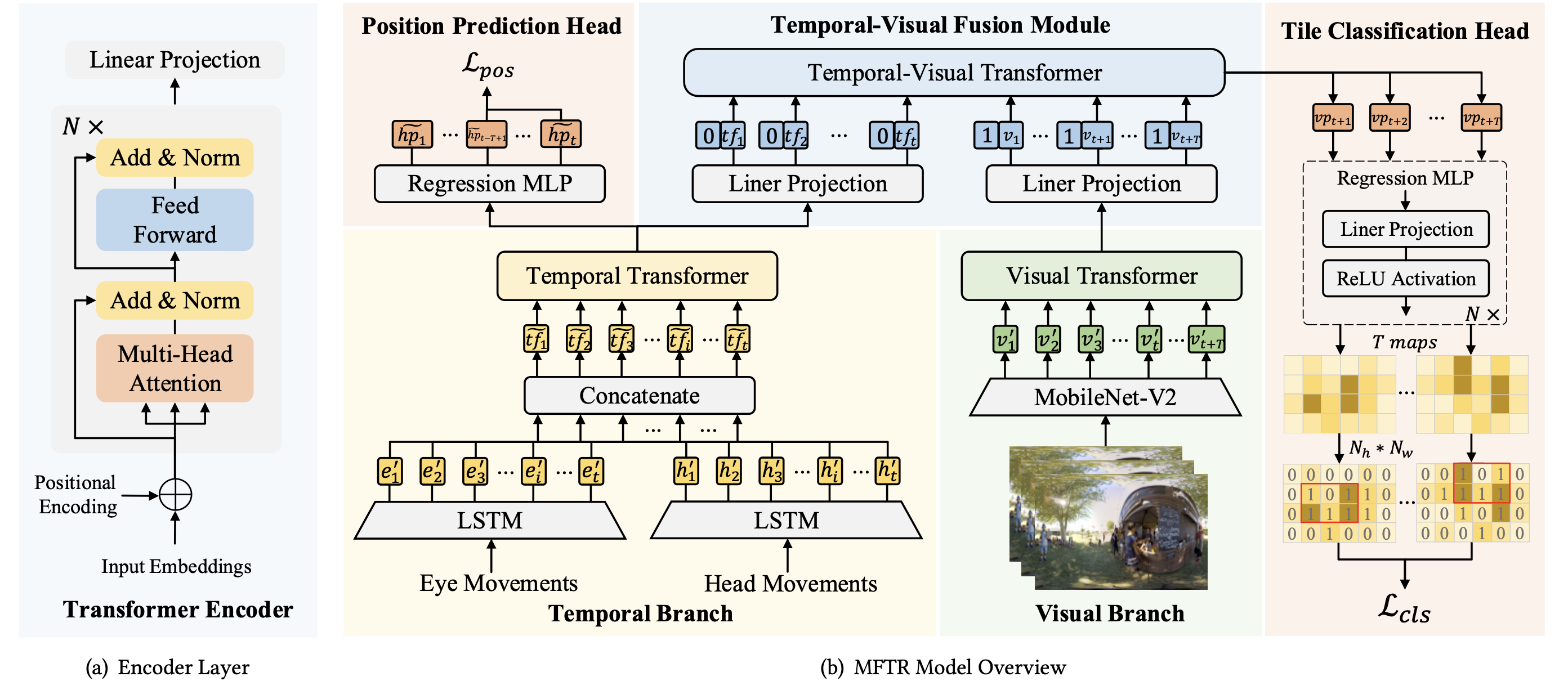
Zhihao Zhang*, Yiwei Chen*, Weizhan Zhang, Caixia Yan, Qinghua Zheng, Qi Wang, Wangdu Chen ACM MM 2023 CodePaper Framing viewport prediction as tile classification is what buys the robustness. Viewport prediction recast as tile classification, using a multi-modal fusion transformer. |